Ellis Friedrich · 24 October 2026
Uncovering Botanical Discoveries Hidden in Linencourt's Historic Private Gardens and Their Lasting Influence on Modern Plant Science
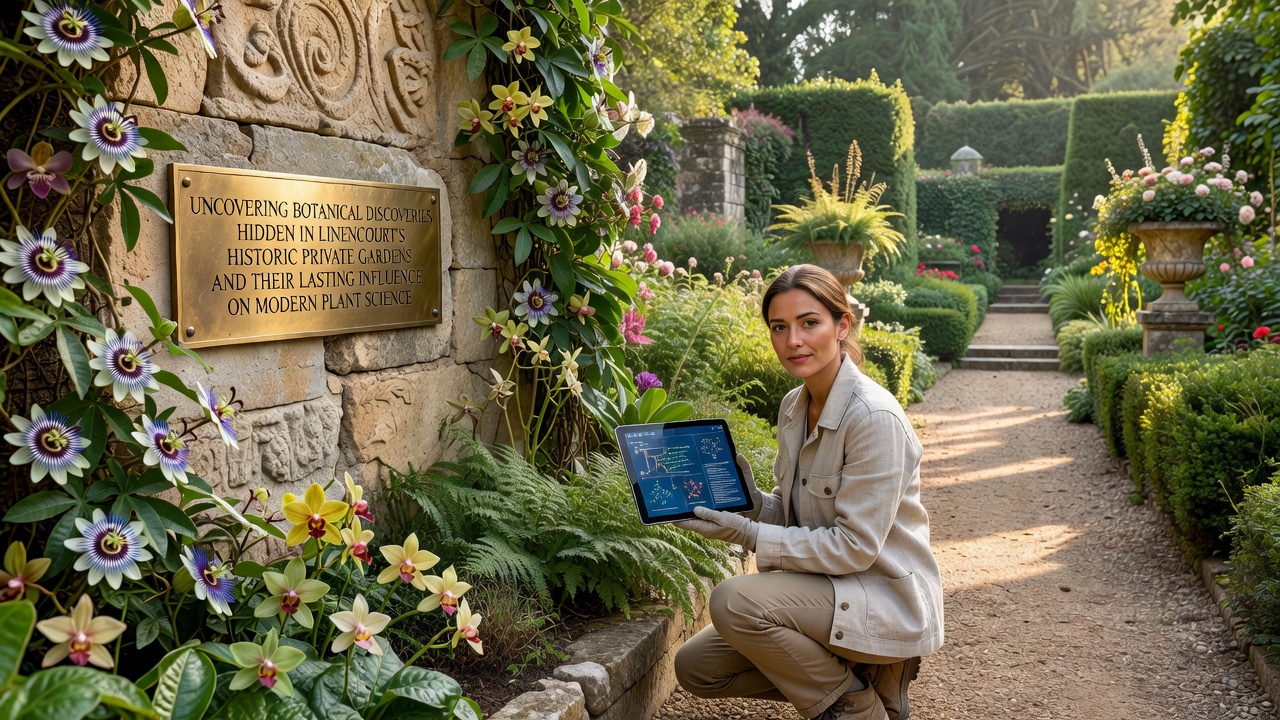
Botanists working in Linencourt's private gardens have documented plant species and cultivars that remained undocumented for centuries, and these findings connect directly to current research in plant genetics and conservation biology. The gardens, established in phases between the 17th and 19th centuries, contain collections of temperate and subtropical species that arrived through early trade routes, while later additions reflect deliberate breeding experiments conducted by estate owners and visiting naturalists. Researchers cataloging these holdings since the early 2000s have identified several taxa that match descriptions in 18th-century herbals yet differ genetically from modern reference collections held in public herbaria.
One notable discovery involves a population of Digitalis variants whose leaf chemistry produces higher concentrations of certain cardiac glycosides than the standard pharmaceutical strains derived from the same genus. Laboratory analysis conducted at regional universities confirmed that these variants share chloroplast markers with specimens collected in the 1790s, indicating that the Linencourt stock represents a lineage preserved outside commercial propagation lines. This genetic continuity provides material for studies examining how historical selection pressures differ from contemporary breeding goals focused on uniformity and yield.
Archival Records and Field Verification
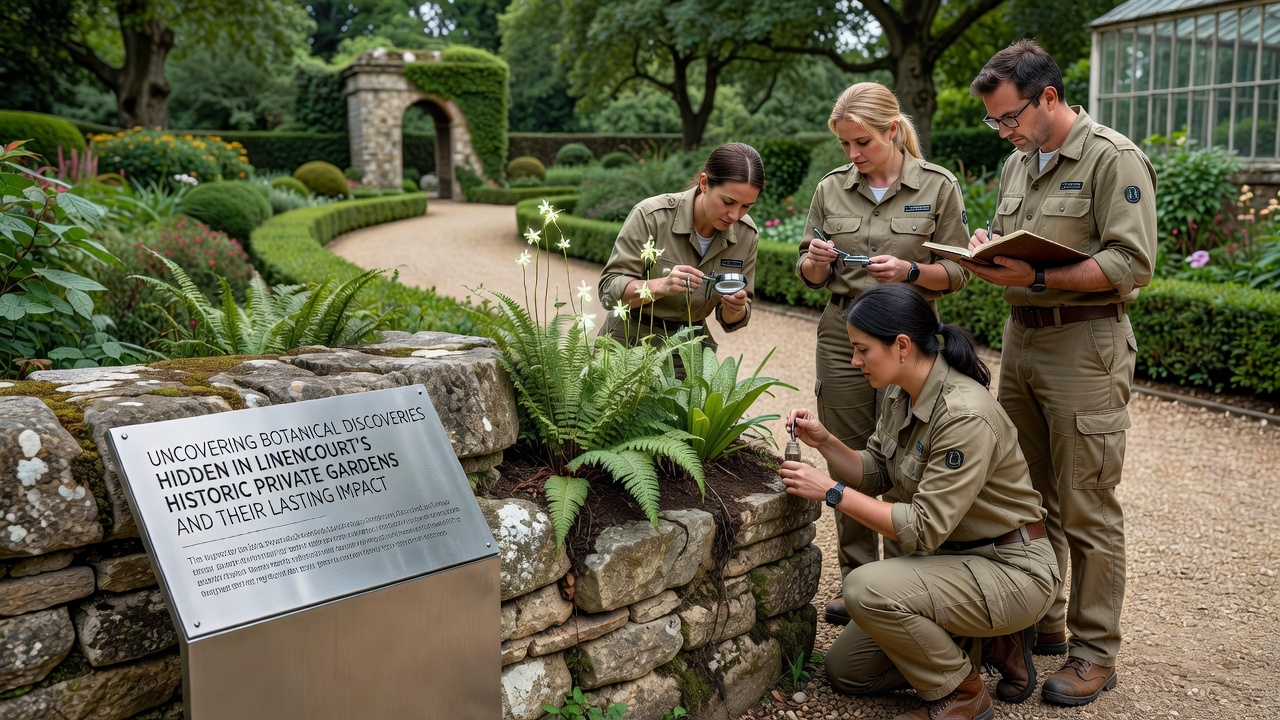
Estate ledgers and correspondence between successive gardeners and European seed merchants supply precise dates for introductions, and cross-referencing these documents with living plants has allowed teams to verify identities that herbarium sheets alone could not confirm. During systematic surveys completed between 2018 and 2023, observers noted several shrubs previously classified as lost cultivars of Rhododendron and Camellia that match written descriptions from the 1840s. DNA barcoding performed on leaf samples matched sequences archived from early botanical expeditions, establishing that these plants survived in situ while European populations declined due to disease and changing land use.
Soil core samples taken near the oldest garden terraces revealed pollen profiles consistent with the documented planting dates, and these profiles also contained traces of species that no longer appear above ground. The combination of written records, living specimens, and paleobotanical data creates a layered dataset that researchers can use to reconstruct past garden composition and track changes in plant health over multiple centuries.
Contributions to Contemporary Plant Science
Modern breeding programs have incorporated germplasm from the Linencourt collections into trials aimed at improving disease resistance in ornamental and medicinal crops. In one ongoing project coordinated across three continents, cuttings from Linencourt Digitalis stock were crossed with commercial lines to test whether the elevated glycoside profile can be maintained while adding resistance to common fungal pathogens. Preliminary results released in 2024 indicate that hybrid offspring retain elevated secondary metabolite levels without requiring additional irrigation or soil amendments, which may reduce input costs in commercial production settings.
Conservation biologists have also used the gardens as reference sites for studying microclimate effects on species survival. Temperature and humidity sensors installed at multiple canopy levels show that the dense planting structure creates pockets of cooler air during summer heat events, and these microclimates correlate with higher survival rates for certain understory herbs. Data from these sensors now informs models that predict how urban and suburban plantings might buffer climate extremes, since the Linencourt layout resembles many historic estate gardens that later became public parks.
International Collaborations and October 2026 Symposium
Teams from the Royal Botanic Garden Edinburgh and the Australian National Botanic Gardens have exchanged material and data with Linencourt researchers under material transfer agreements that specify non-commercial use and benefit-sharing protocols. These exchanges have produced joint publications examining how historical plant movements parallel contemporary patterns of species redistribution, and the resulting datasets feed into global databases maintained by Botanic Gardens Conservation International. A symposium scheduled for October 2026 will convene these partners along with additional institutions from North America and East Asia to present updated genomic analyses and discuss standardized protocols for sampling historic garden collections.
The October 2026 meeting will also address legal frameworks governing access to private garden holdings, since many of the documented discoveries occur on land still held in private trusts. Discussions will reference guidelines developed by the Convention on Biological Diversity and national access-and-benefit-sharing legislation to clarify how private collections can contribute to public research without triggering ownership disputes.
Future Research Directions
Current work focuses on metabolomic profiling of additional taxa that appear only in the Linencourt records, and early results suggest several understory species contain previously uncharacterized phenolic compounds with potential antimicrobial activity. Researchers plan to expand sampling to root and rhizosphere communities, since soil microbiomes associated with long-undisturbed plantings may harbor distinct bacterial and fungal assemblages. These investigations build on existing pollen and DNA data to create integrated models of garden ecosystem function across centuries.
Funding for the next phase comes from national science agencies and private foundations that support biodiversity research, and the projects include training components for early-career botanists who gain experience working with both living collections and archival sources. The combination of historic continuity and modern analytical tools positions the Linencourt gardens as a living laboratory that continues to yield information relevant to plant science well beyond their original ornamental purpose.
Conclusion
The botanical material preserved in Linencourt's private gardens supplies verifiable genetic lineages, chemical profiles, and ecological data that researchers integrate into studies of plant breeding, conservation, and climate adaptation. Ongoing collaborations and the planned October 2026 symposium ensure that findings from these collections reach broader scientific audiences while respecting the legal and practical realities of private land ownership. As genomic and metabolomic techniques advance, the documented plants and their associated records remain a stable reference point for tracing how centuries-old introductions continue to shape contemporary understanding of plant diversity and its applications.