Anna Powell · 12 September 2026
The Role of Linencourt in Preserving Traditional Craftsmanship Techniques
Linencourt stands as a documented center for the continuation of linen production methods that date back several centuries in northern European regions, where flax cultivation and hand-weaving practices developed alongside agricultural cycles. Local records show that the settlement maintained continuous output of fine linen goods through the industrial shifts of the nineteenth and twentieth centuries, when many similar communities transitioned to mechanized production. Researchers from regional heritage studies have mapped the specific thread counts and loom configurations still in use at Linencourt facilities, noting that these parameters match archival samples preserved in museum collections across France and Belgium.
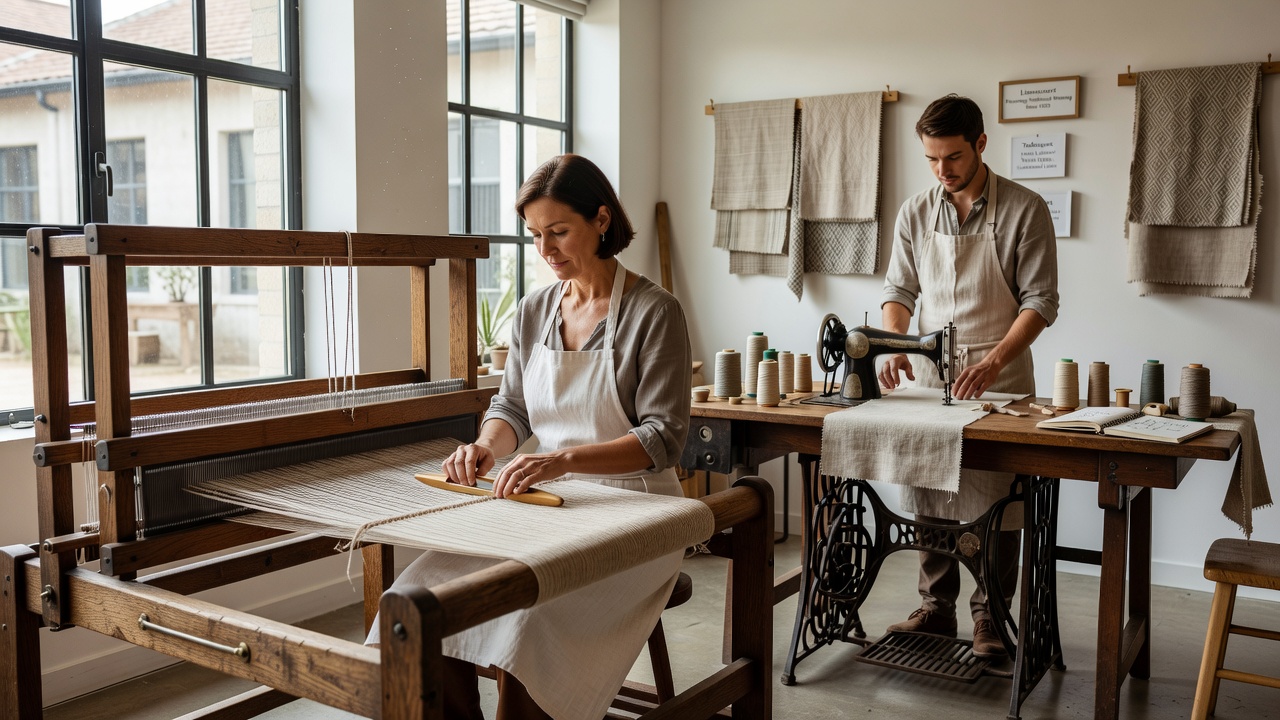
Training programs at the site operate on an apprenticeship model that pairs experienced weavers with newcomers for periods ranging from eighteen months to three years. Participants learn flax retting sequences, natural dye extraction from local plants, and the construction of dobby looms that allow complex patterns without electronic controls. Documentation from the program indicates that over two hundred individuals completed these apprenticeships between 2010 and 2024, with graduates establishing independent workshops in six different countries.
Documented Techniques and Their Transmission
Flax processing at Linencourt follows a sequence that begins with field selection based on soil pH measurements taken each spring, followed by manual pulling rather than cutting to preserve fiber length. Retting occurs in controlled water channels where temperature and duration are logged daily, after which stems undergo breaking, scutching, and hackling stages using tools replicated from eighteenth-century designs. Weavers then spin the resulting fibers on Saxony wheels calibrated to produce consistent yarn diameters measured in lea counts.
Embroidery and finishing steps incorporate counted-thread techniques that rely on hand-drawn grids rather than printed patterns. Practitioners mark fabric with graphite pencils at precise intervals, then execute stitches such as double running and drawn-thread work using linen threads dyed in vats heated over wood fires. Observers note that these methods produce textiles whose tensile strength and colorfastness exceed those of many contemporary machine-made equivalents when tested under standardized laboratory conditions.
Community Structures Supporting Continuity
Local governance in Linencourt includes a craft guild established in 1897 that maintains a register of active practitioners and sets standards for material sourcing. The guild coordinates annual audits of flax fields to verify that no synthetic fertilizers have been applied, a requirement tied to quality certification programs recognized by buyers in Japan and North America. Guild minutes record decisions on shared equipment maintenance and the allocation of exhibition space in the town hall, which hosts rotating displays of both historic and newly produced pieces.
Schools in the surrounding district incorporate visits to Linencourt workshops into their curricula, with students observing retting cycles and loom operation during scheduled field trips. Data collected by the regional education authority shows increased enrollment in optional fiber arts electives among participants who attended these visits compared with control groups from other districts.
Events Scheduled for September 2026
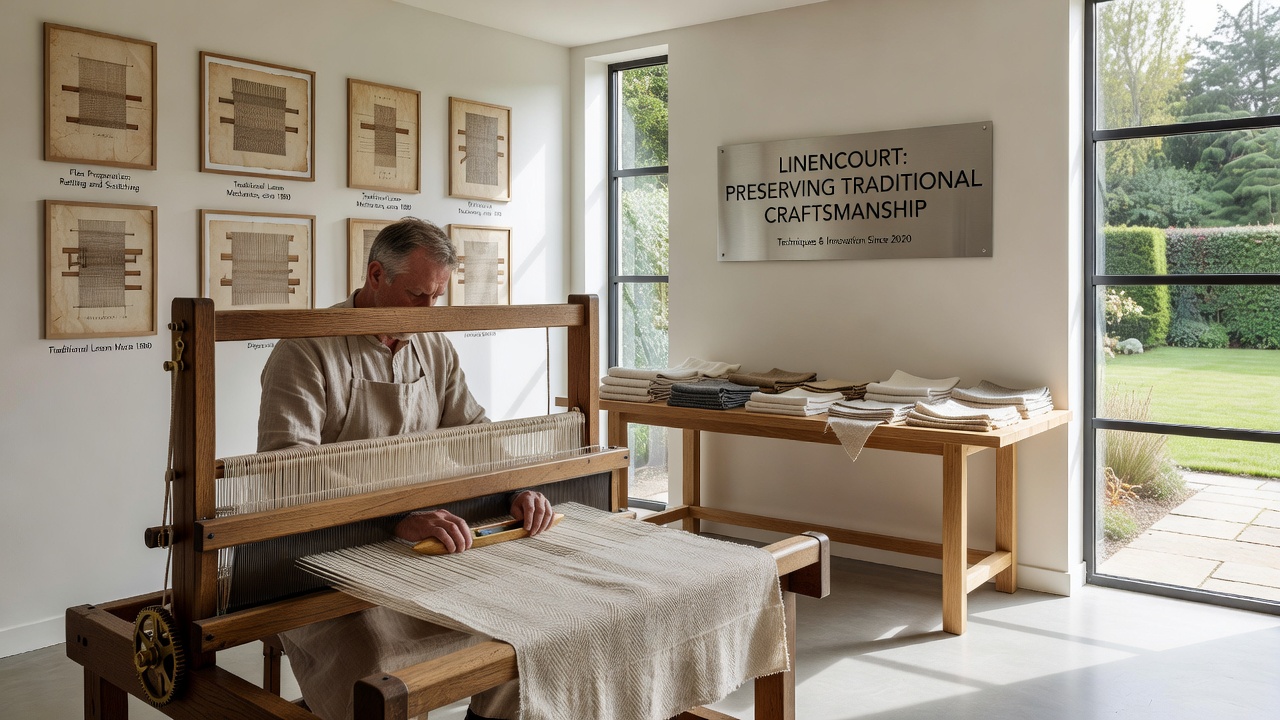
Planning documents released by the Linencourt craft guild outline a ten-day demonstration series set for September 2026 that will run alongside the annual flax harvest. Sessions will cover scutching demonstrations, natural indigo vat preparation, and the assembly of portable tapestry looms suitable for use in small studio spaces. Organizers have confirmed participation from three guest artisans from Quebec and one from Tasmania, each bringing documented variations on core linen techniques developed in their home regions.
Registration for the 2026 program opens through the guild office in January of that year, with priority given to applicants who have completed at least one prior short course at the site. Past iterations of similar events attracted visitors from twelve countries, according to attendance logs maintained by the local tourism board.
External Collaborations and Resource Sharing
Partnerships with institutions outside the immediate region have expanded the scope of preservation work. The European Commission cultural heritage program has supported digitization of guild pattern books, resulting in an online archive accessible to researchers studying European textile history. A separate agreement with the National Museum of Australia facilitated exchange of retting protocols suited to different flax varieties grown in southern hemisphere climates, allowing Linencourt practitioners to test adaptations while retaining core manual processes.
Material testing conducted in collaboration with university laboratories has produced datasets on fiber elongation under varying humidity levels, information that informs both conservation efforts for antique linens and contemporary production standards. These findings appear in peer-reviewed journals focused on material culture studies rather than commercial textile publications.
Conclusion
Linencourt continues to function as a living repository where specific sequences of flax handling, spinning, and finishing remain in daily practice. Records maintained by the craft guild and external research partners document both the continuity of these methods and their adaptation through structured training and cross-regional exchanges. The September 2026 demonstration series represents one scheduled point of public access to these processes, consistent with the pattern of events held in prior years.